
 My Collection

Description:
Obverse
Portuguese coat of arms to the left, above a branch of clove tree (Syzygium aromaticum), below of nutmeg tree (Myristica fragrans). Those spices were search for by Europeans in the 16th century. Both originate from the Maluku Islands.
Reverse
Ship and Maluku Islands, volcanic archipielago among which the influencial Ternate and Tidore kingdoms. The archipelago was named "Spice Islands"

Related Coins
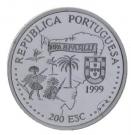
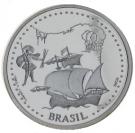
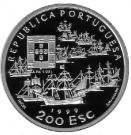
200 Escudos (Brazil; Silver)
Country: Portugal / Denomination: 200 escudos
(200 PTE)
Year: 1999 / Material: Silver (.925)
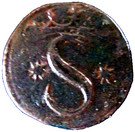
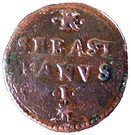
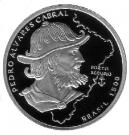
200 Escudos (Pedro Alvares Cabral; Palladium)
Country: Portugal / Denomination: 200 Escudos
(200 PTE)
Year: 1999 / Material: Palladium (.999)
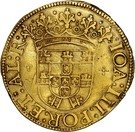
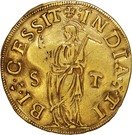
Escudo - João III (São Tomé )
Country: Portugal / Denomination: Escudo = 1000 Reais
(1000)
Year: (1544-1557) / Material: Gold (.854)
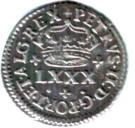
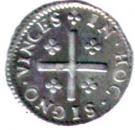
Tostão - Pedro II
Country: Portugal / Denomination: 100 Réis = 1 Tostão
(100)
Year: (1688-1706) / Material: Silver (.917)
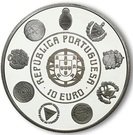
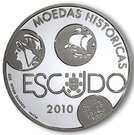
10 Euro (Escudo; Proof issue)
Country: Portugal / Denomination: 10 Euro
10 EUR = 12 USD
Year: 2010 / Material: Silver (.925)
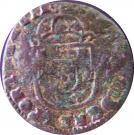
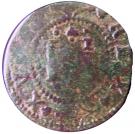
1½ Réis - João IV
Country: Portugal / Denomination: 1 1/2 Réis
(1.5)
Year: (1640-1656) / Material: Copper
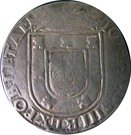
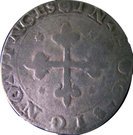
Tostão – João III (3rd Type, no side letters, Lisboa mint)
Country: Portugal / Denomination: 1 Tostão= 100 Reais
(100)
Year: (1555-1557) / Material: Silver (.9166)
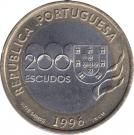
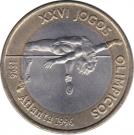
200 Escudos (Olympics)
Country: Portugal / Denomination: 200 Escudos
(200 PTE)
Year: 1996 / Material: Bi-metallic Copper-nickel plated Nickel center in nickel brass ring
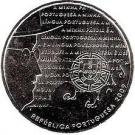
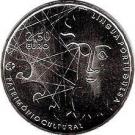
2½ Euro (Portuguese Language)
Country: Portugal / Denomination: 2 1/2 Euro
2.5 EUR = 2.92 USD
Year: 2009 / Material: Copper-nickel